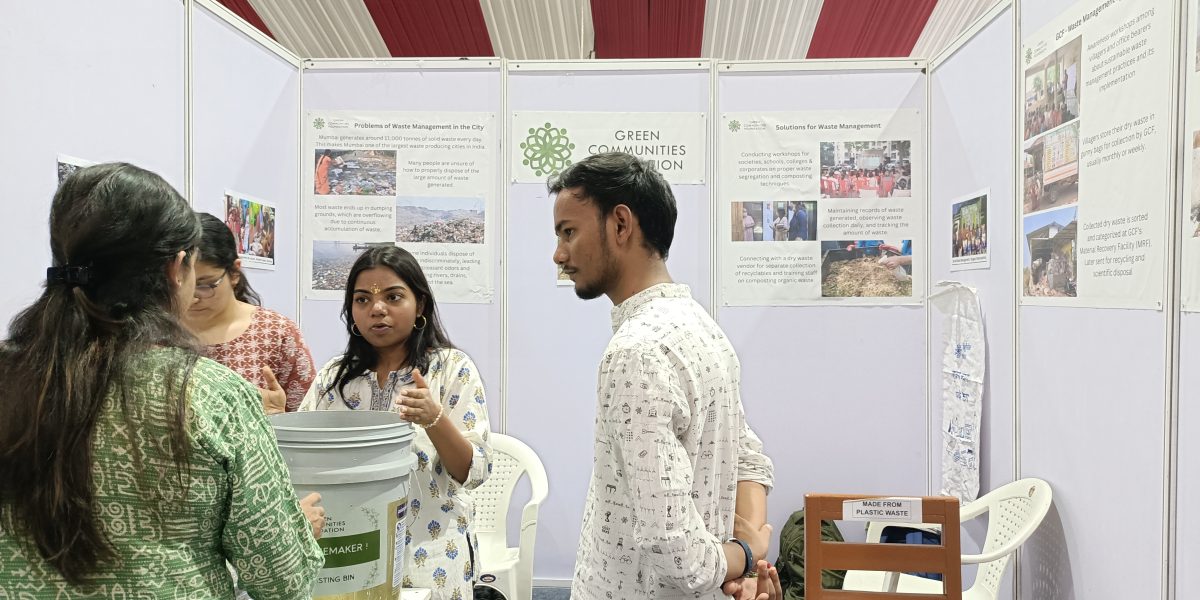
Improper waste management creates air, soil and water pollution and mixed waste is either sent to dumping grounds or burnt. Mumbai has no further space for new landfills and needs to urgently address it’s mounting waste problem.
In addition, by failing to recover valuable resources from waste, we miss the large economic opportunity that can be worth billions and an opportunity to create livelihood for millions of our citizens.Through our work, we realised that most of the problems being faced by India with regard to its waste management woes can be solved through decentralized waste management as the two main causes of our waste crisis are:
Lack of Segregation at Source: Most of the waste generated in the country, including Mumbai is unsegregated, which makes it almost impossible to recycle or process and is therefore sent to landfills or burnt illegally.
Lack of Infrastructure to Close the Loop: Even if waste is segregated by individual generators, it is mixed at the time of collection by the waste compactors, discouraging segregation. This lack of infrastructure for collection, transportation, storage and recycling of segregated waste is a huge contributor to the waste crisis plaguing our country.
Proper management of waste needs concerted effort at various levels starting with the consumer who is the waste generator and then extending to various stakeholders like government bodies, NGOs, producers and entrepreneurs. Its a complex team effort that can best be compared to a relay race where each stakeholder has to play their role without dropping the ‘baton’.
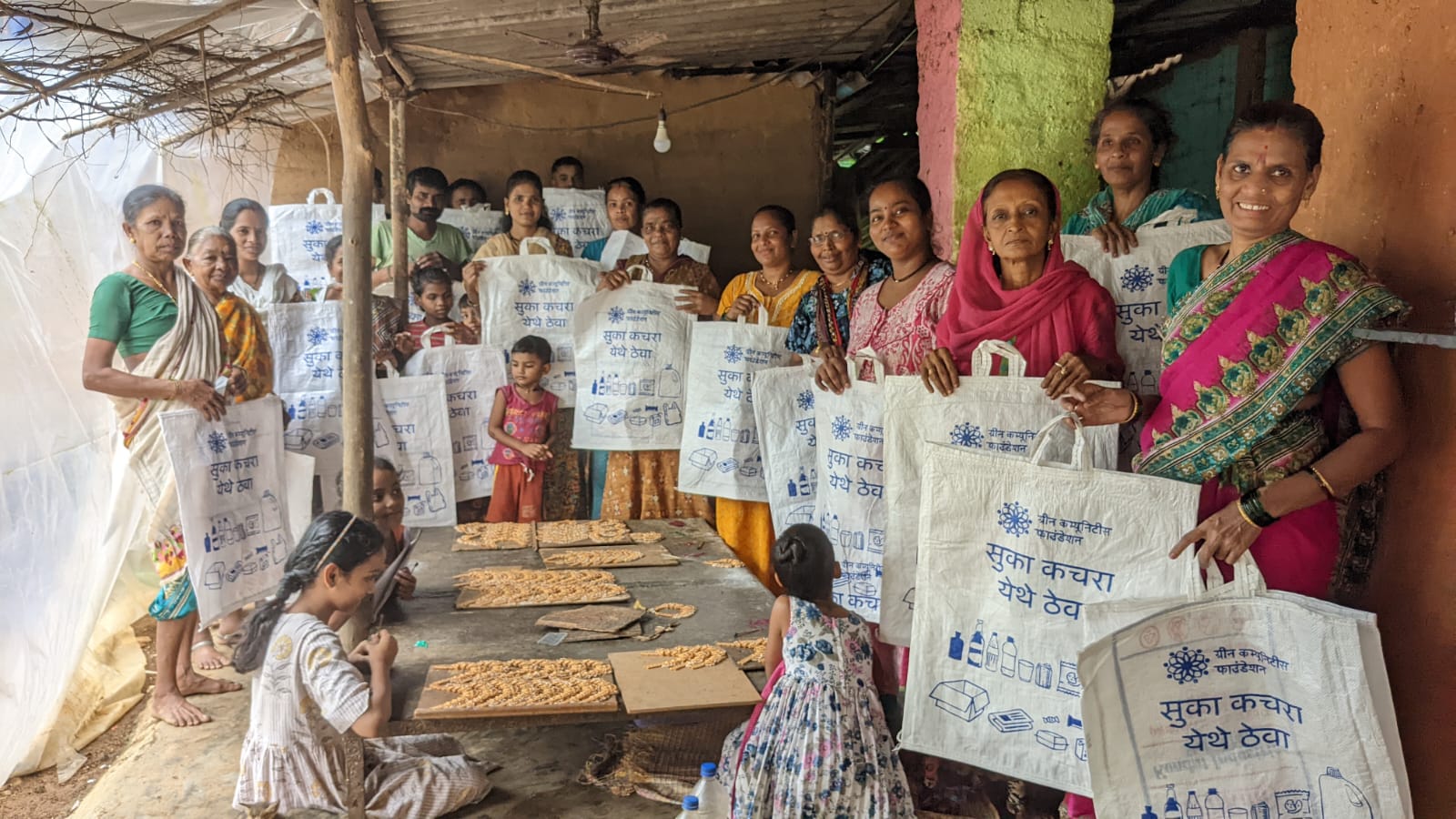
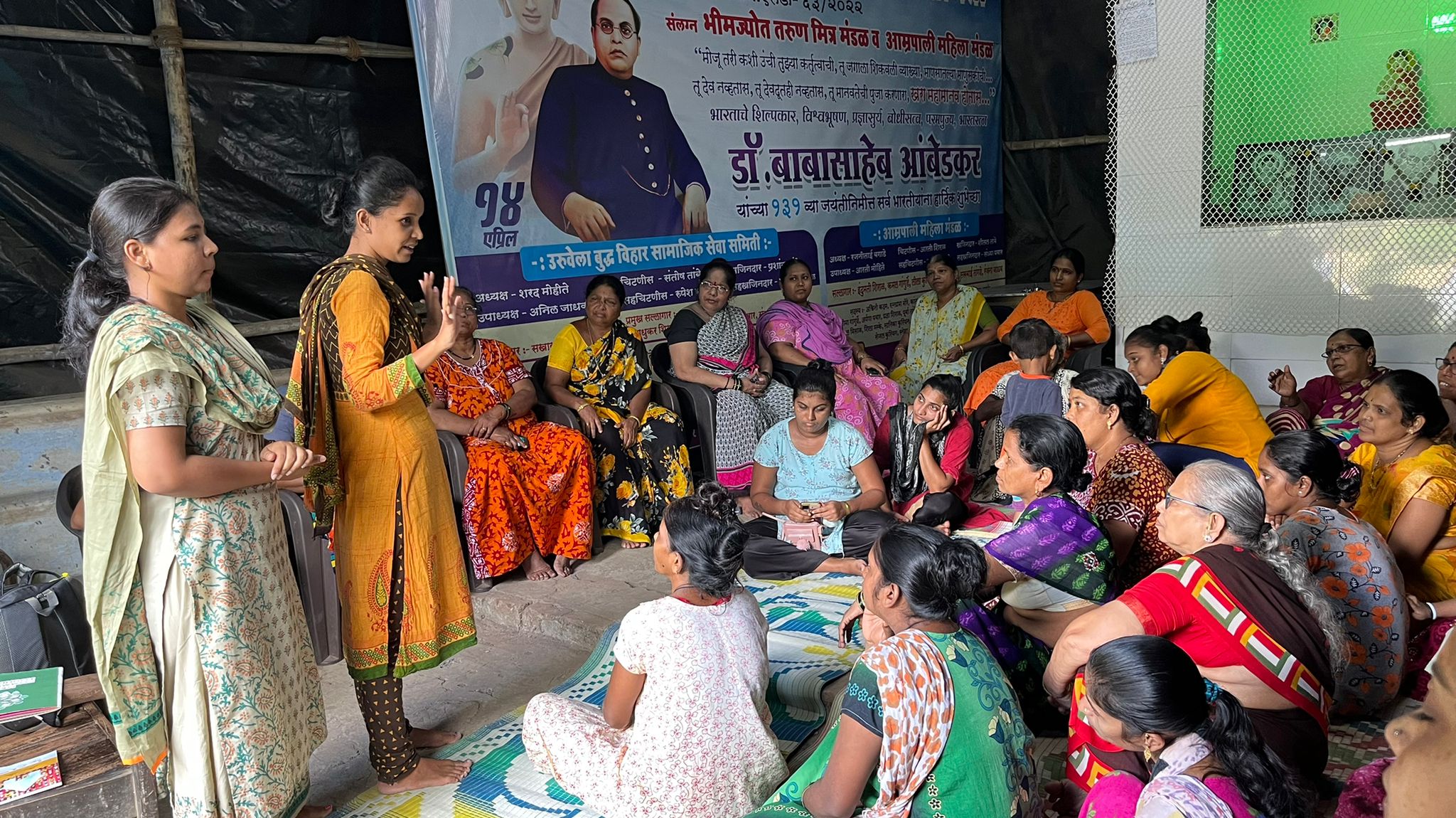
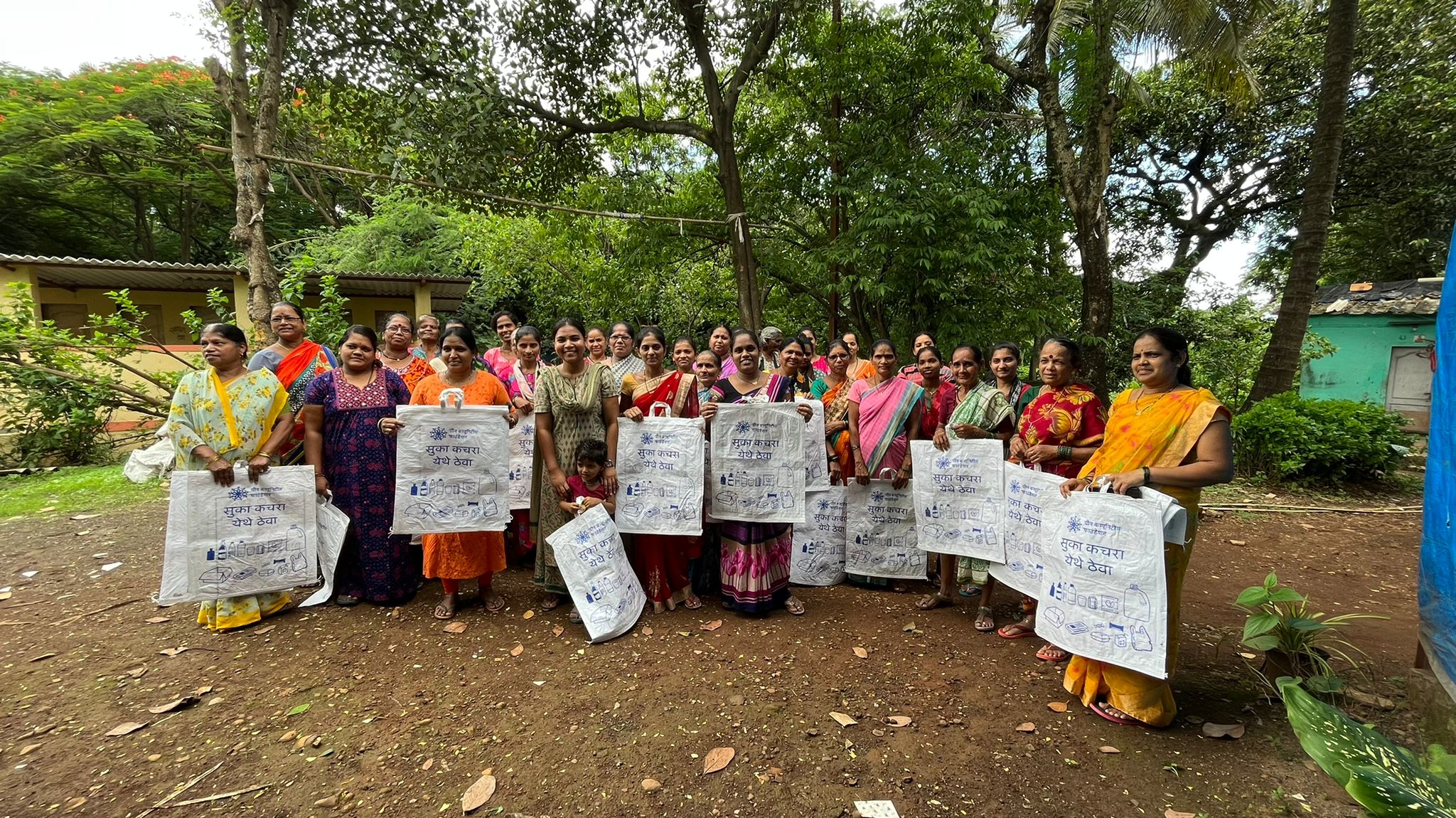
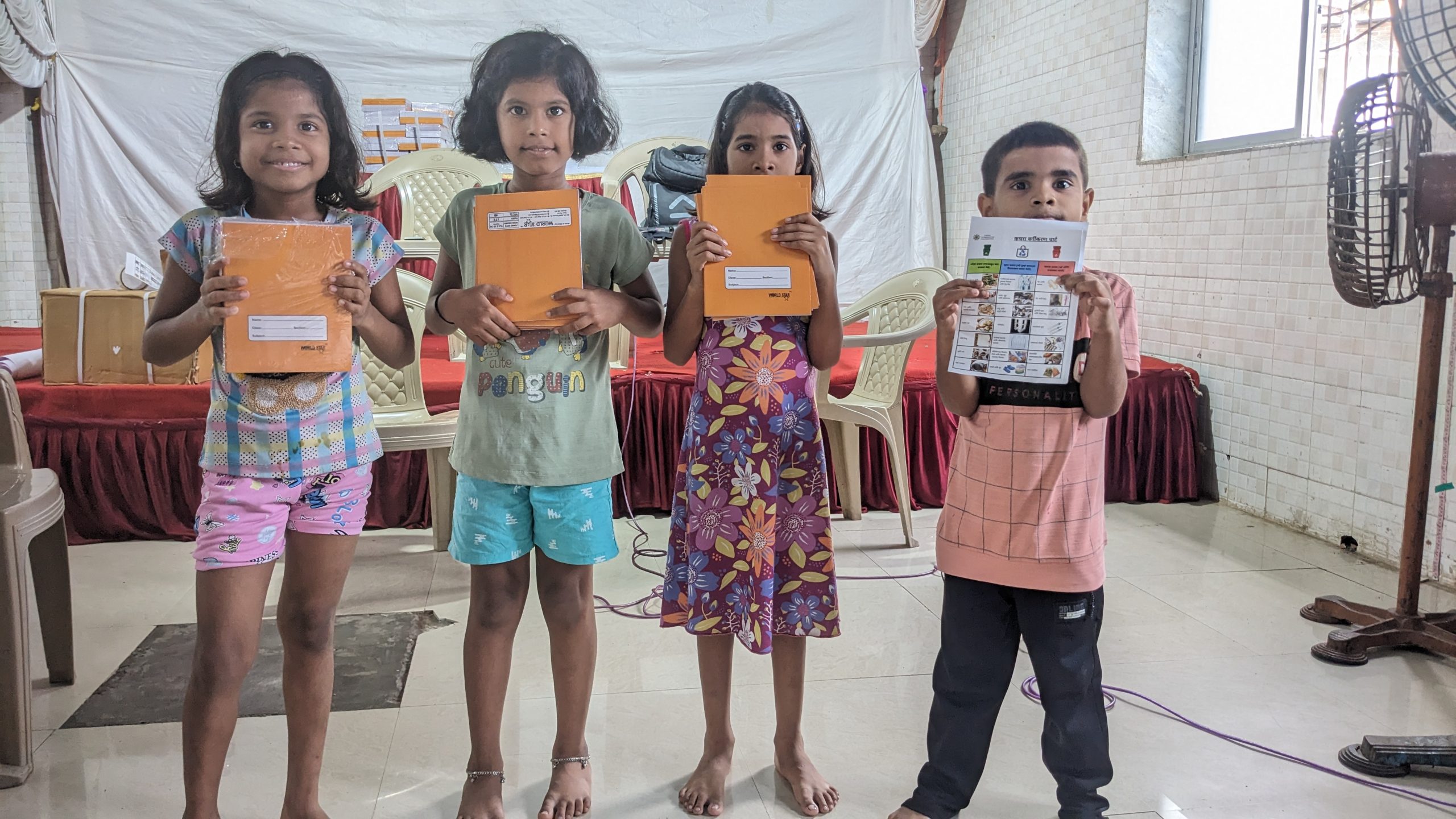
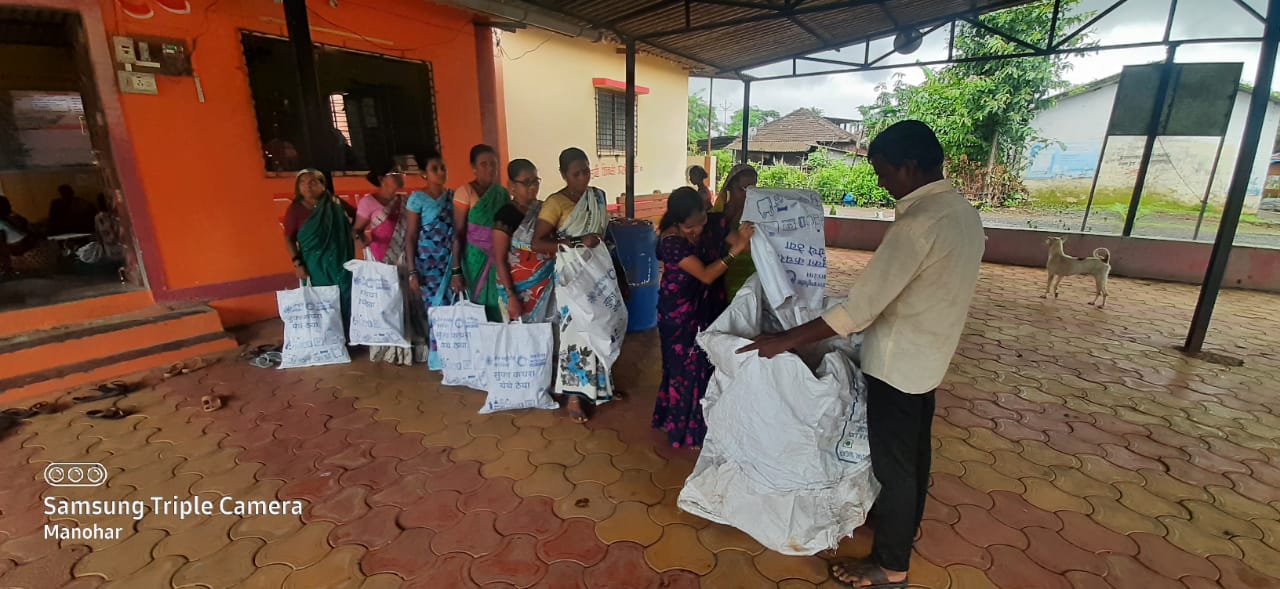
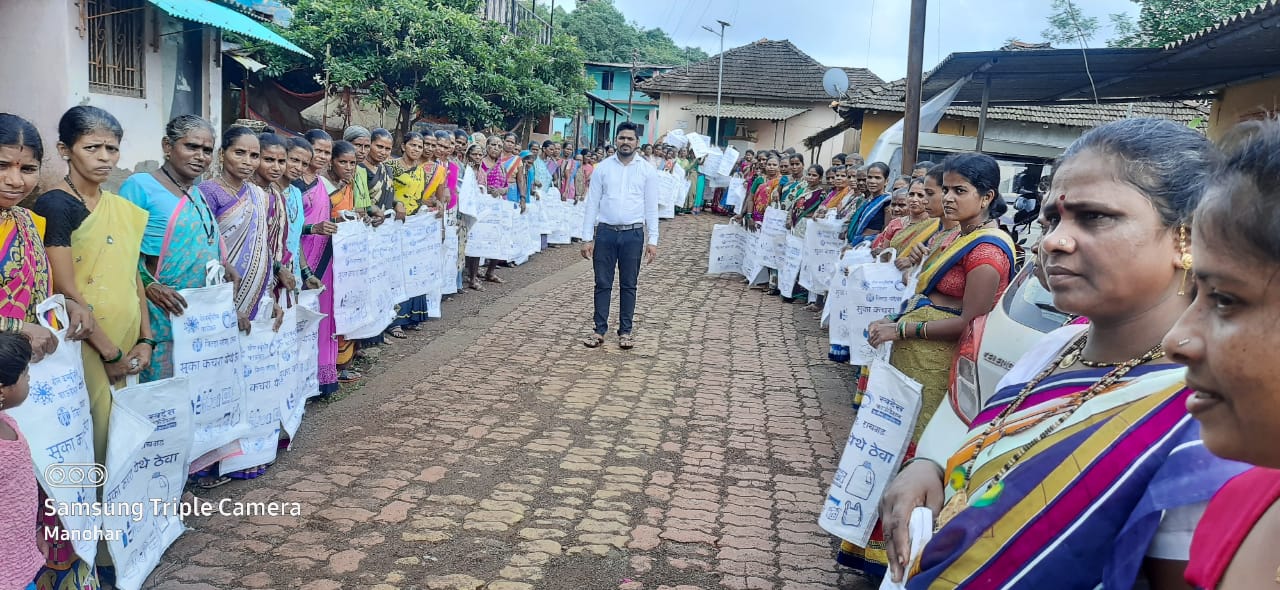
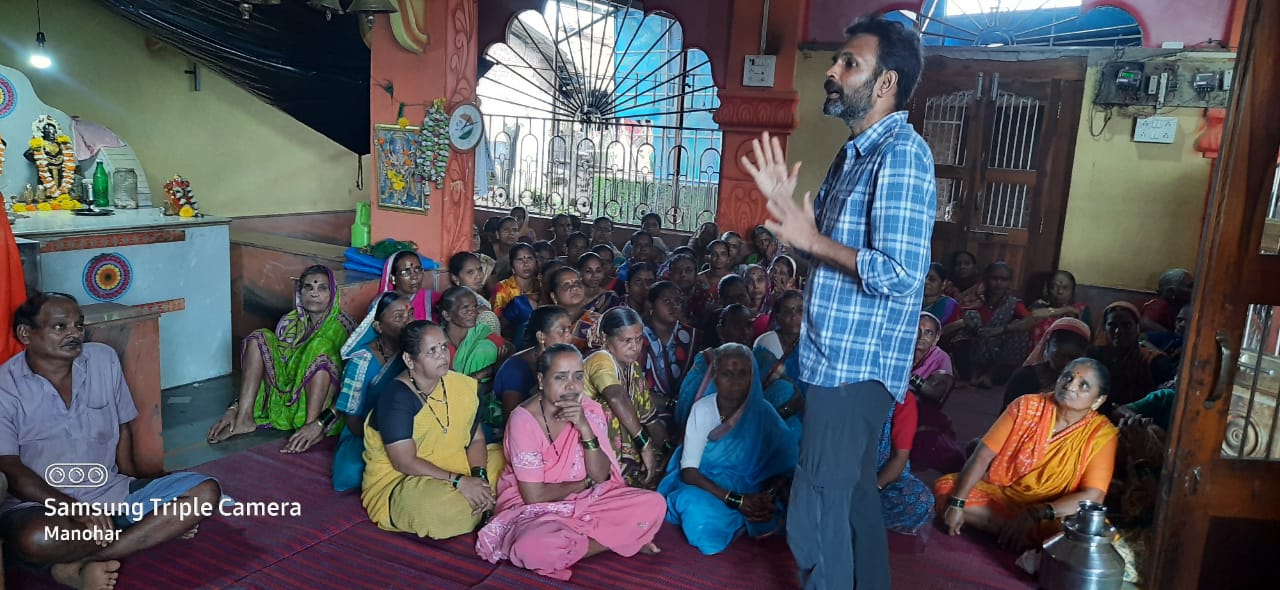
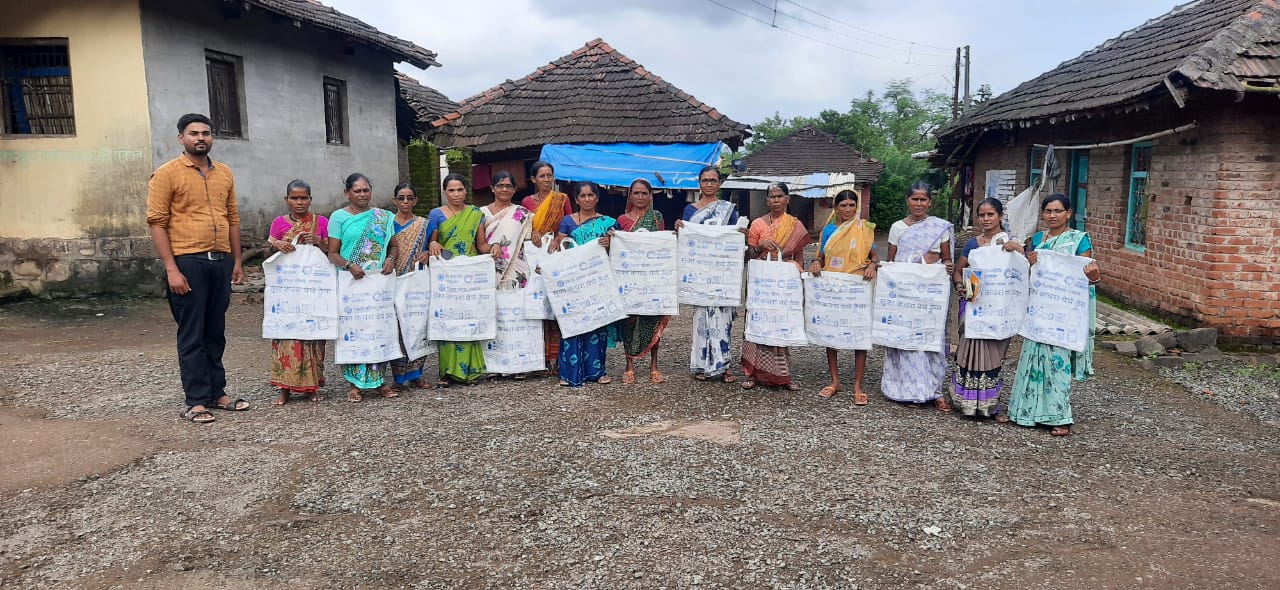
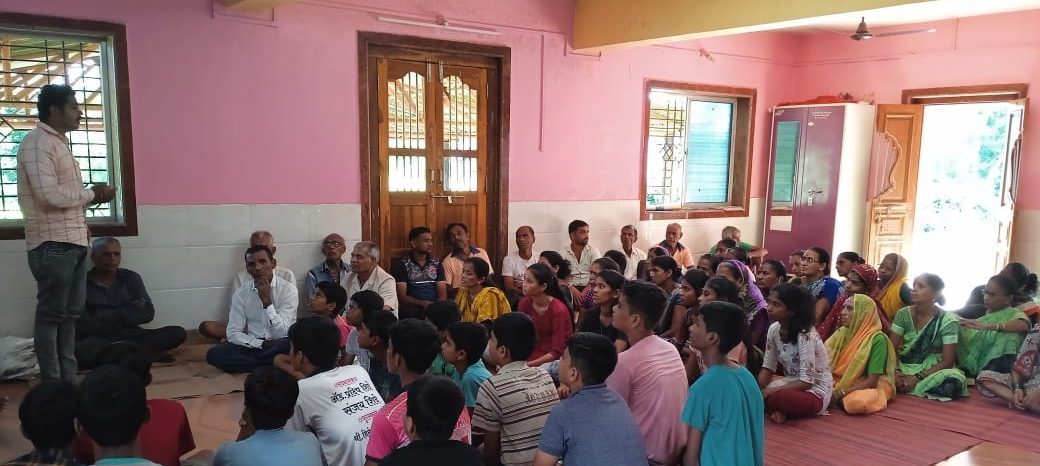
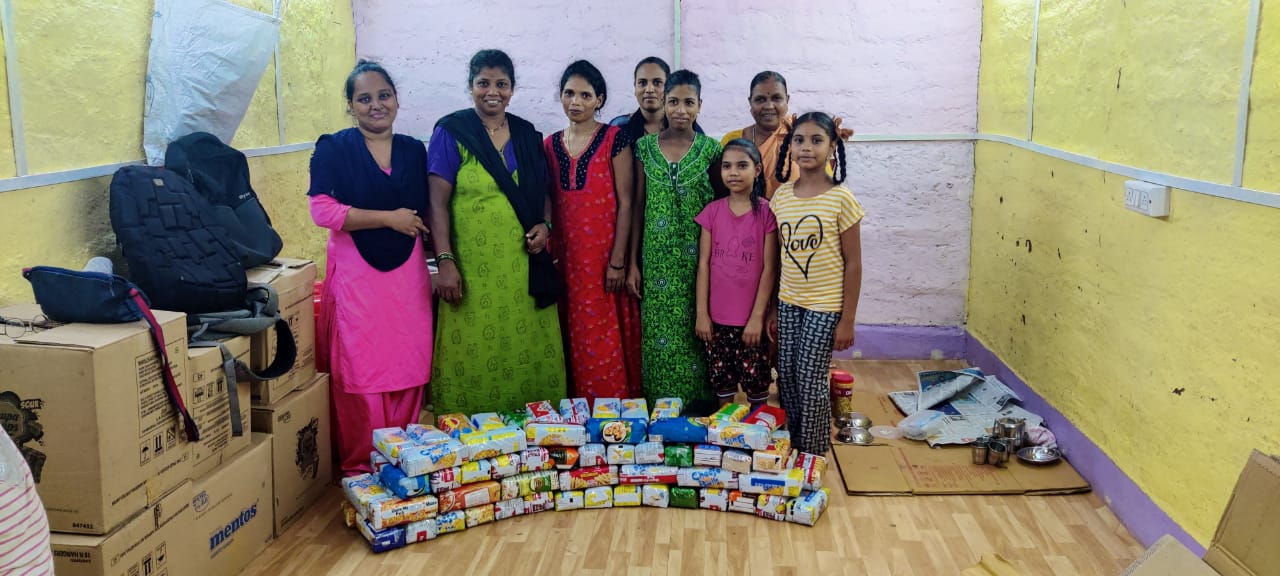
GCF is playing its part by trying to create successful models of Waste Management in both urban and rural areas.